
Why We Still Rely on Tipping
Tipping at nail salons isn't just a bonus, it's a structural part of how technicians get paid. Here's why going tip-free is more complicated than it sounds, and where Lark & Sparrow stands on it.
This is something I think about almost every time I run payroll. Or when I see a social media post asking, “How much should I tip?” Or when I’m trying to build a system that feels fair to the people I work with and honest to our clients.
Here’s the truth: I wish we didn’t rely on tipping.
I wish I could build a pricing structure where what you see is what you pay, and where my team is compensated clearly, consistently, and without that extra step at the end of every service. But the deeper I get into the numbers, the more I understand why so many businesses still do.
THE 20% THAT ISN’T ON THE MENU
In theory, tips are a bonus or a thank-you for great service, given at the client’s discretion. In reality, they function more like a structural part of compensation. Let’s take a simple example. A service is listed at $67. A typical tip is 20%, which is around $13. So the client is already paying $80 pretty much every time. Many generous clients tip above the standard 20%, increasing the tech’s wages directly. The total cost of the service already exists. The question is just how visible we’re willing to make it. If I raise that service to $80 and remove tipping, nothing has actually changed financially for the client. But it feels different. $67 feels reasonable. $80 feels expensive, even though the total is exactly the same. This mindset shapes pricing in this industry.
THE HIDDEN LAYER UNDERNEATH IT
There’s a less talked-about part of tipping that makes this even more complicated. Cash tips operate differently than card payments. They don’t run through processing systems, so they avoid credit card fees. So when we talk about eliminating tipping and rolling that income into wages, we’re not just changing a line on a price menu. We’re increasing payroll taxes. We’re increasing processing costs. Transparency, as much as I value it, comes with a higher operational price tag.
THE “SOLUTIONS” THAT DON’T ALWAYS FEEL BETTER
Some businesses solve this by adding service charges or passing credit card fees directly to clients. From a business perspective, I understand the logic, and those costs are real. But from the client’s side, it often just feels like another fee layered on top of a price that was already unclear. So now you have a base price that doesn’t reflect the full cost, an expected tip on top of that, and sometimes additional fees just to process the payment. And on top of all this, that money isn’t going to the technician or business. It goes directly to merchant services.
WHAT IT WOULD ACTUALLY TAKE TO GO TIP-FREE
After thinking through all of this, I keep coming back to the same question: if we wanted to eliminate tipping, what would it actually take? Not in theory. In a real salon, with real clients, real payroll, and real expectations. It would mean raising prices. There’s no way around it. If a service is $67 and clients average a 20% tip, the real price is $80. To go tip-free, $80 has to be the posted price. It would require re-educating every client. Right now, clients are used to seeing a lower number and deciding the final amount at checkout. Going tip-free flips that entirely. It asks them to accept a higher upfront price and trust that compensation is already built in. That’s not just a pricing change. It’s a cultural shift in how the service is perceived and valued.
It would mean rebuilding compensation from the ground up. You can’t remove tips and leave everything else the same. Commission percentages, hourly guarantees, bonus structures would need to be rethought. Tips currently act as a buffer, an incentive, and a variable layer of income. It would increase operational costs. When all income moves into wages, payroll taxes increase. Processing costs increase. Costs that previously existed outside the formal system become part of it. These extra costs will be burdensome on an industry already operating on tight margins.
WHERE WE STAND
At Lark & Sparrow, our commitment hasn’t changed: we price intentionally, we pay our team as much of that revenue as we sustainably can, and we try to be as honest as possible about where the money goes. Tips are part of that picture right now. They’re a real and meaningful part of what our technicians take home. That’s why we encourage them, why we make space for them in the checkout process, and why we talk about them directly rather than pretending they don’t exist. The total cost of the service already exists. We’re just trying to make sure as much of it as possible lands where it belongs: with the people doing the work.

Acetone Is Not the Villain
In 1606, German chemist Andreas Libavius produced acetone by dry-distilling lead acetate. For centuries it was known as “Spirit of Saturn,” because in alchemy, lead was symbolized by the planet Saturn.
Chemistry at that time was still intertwined with planetary symbolism rather than molecular structure. We have come a long way. Today, we understand acetone clearly:
It is a simple ketone. It is highly volatile. It is flammableMost importantly in the nail care industry- We understand it is an amazing solvent that is safe to use.
This post is part of the Lark & Sparrow apprenticeship educational framework. I share portions of our internal training curriculum publicly for transparency and client education.
There is one ingredient in the nail industry that seems to trigger immediate fear:
Acetone.
It smells strong.
It evaporates quickly.
It has been labeled “harsh” for decades.
But acetone is not a villain.
It is chemistry.
A 400-Year-Old Molecule
Acetone is one of the oldest organic chemicals known to science.
In 1606, German chemist Andreas Libavius produced acetone by dry-distilling lead acetate. For centuries it was known as “Spirit of Saturn,” because in alchemy, lead was symbolized by the planet Saturn.
Chemistry at that time was still intertwined with planetary symbolism rather than molecular structure. We have come a long way.
Today, we understand acetone clearly:
It is a simple ketone.
It is highly volatile.
It is flammable.
It is an efficient solvent.
And interestingly, it is not foreign to our bodies.
Your Body Makes Acetone
Acetone is naturally produced during fat metabolism.
It is one of the three primary ketone bodies formed during ketosis. If you have ever noticed a faint fruity scent on someone in deep ketosis, that is acetone.
It occurs naturally in plants, trees, forest fires, and even volcanic gases.
The molecule itself is not exotic or synthetic in origin. What matters is exposure and handling.
What Acetone Actually Does
Acetone is a lipid solvent.
That means it dissolves oils.
On skin, those oils are part of your protective barrier. When acetone removes them, you may see:
• Temporary dehydration
• Increased trans-epidermal water loss
• Tightness
• A white or chalky appearance
Important: this is temporary in healthy skin.
Acetone does not:
• Permanently damage collagen
• Burn intact skin under normal professional exposure
• Thin the skin
• Cause aging
It removes surface lipids. That is the mechanism.
At Lark & Sparrow, we immediately rehydrate and reseal with oil after removal. The dryness is reversible and part of the removal chemistry.
Why We Use Pure Acetone
We use 100 percent acetone for one reason: efficiency protects the nail.
Gel polish, builder gel, and acrylic are cross-linked polymers. They are designed to be durable. Removal requires a solvent capable of penetrating and softening that network.
Acetone:
• Penetrates the coating
• Swells the polymer structure
• Disrupts intermolecular forces
• Allows the product to lift and release
It dissolves the product.
It does not dissolve your natural keratin nail plate.
When removal is slow, technicians are forced to compensate mechanically. That means:
• More filing
• More scraping
• More pushing
• More risk to the nail plate
“Non-acetone” removers often contain ethyl acetate or butyl acetate, along with water and fragrance. They work more slowly and frequently leave oily residue that must then be removed with alcohol or acetone anyway.
Slower chemistry often increases physical damage.
Efficiency reduces trauma.
The Real Risk: Vapor and Fire
The primary safety concern with acetone is flammability, not chronic toxicity.
Acetone evaporates quickly. It produces vapor. In a poorly ventilated space with ignition sources, that matters.
In a clean-air salon, we manage exposure intentionally:
• Glass dappen dishes with lids
• Bottles closed immediately after dispensing
• No open containers left on tables
• Active ventilation
• Proper storage away from heat
Knowledge replaces fear.
The Problem With Smell
Acetone smells strong. That alone has shaped public perception.
We tend to associate “natural” or “fragrant” with safe. But many pleasant-smelling solvents are equally flammable and not inherently safer.
Smell is not a toxicity scale.
Understanding chemistry is.
Elegant Chemistry in Motion
When we use acetone properly, what you are witnessing is polymer science in action.
A solvent penetrating a cross-linked coating.
A polymer network swelling and releasing.
A controlled breakdown of intermolecular forces.
No burning.
No melting of skin.
No destruction of collagen.
Just dissolution.
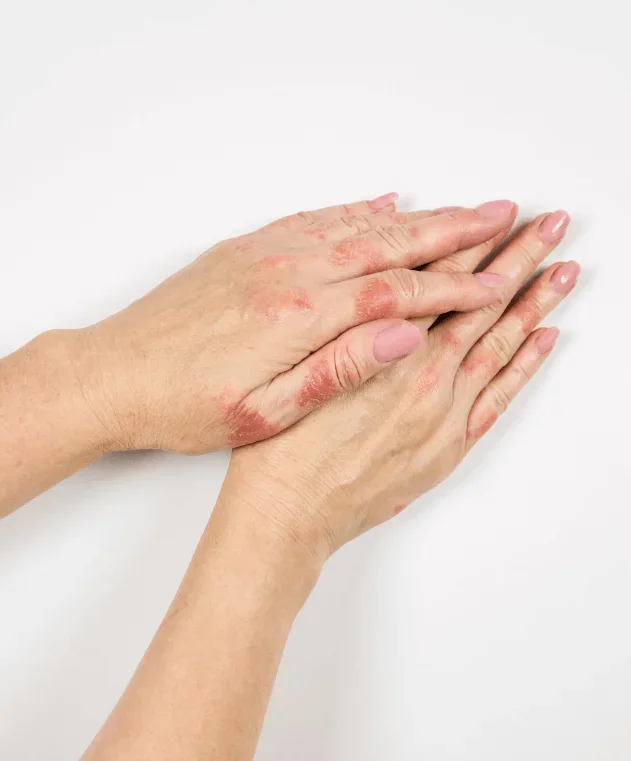
Why Gel Ingredients Matter -Understanding HEMA, Skin Reactions, and Nail Health
Learn how HEMA in gel nail products can impact skin reactions, nail health, and salon safety, and what professional standards help reduce allergy risk.
Gel nail products may look similar on the surface, but the ingredients inside them can have very different effects on skin health, nail integrity, and salon safety. One of the most talked-about ingredients in professional gel systems is HEMA, a common monomer linked to allergic reactions and contact dermatitis. Understanding how HEMA works and how exposure happens is key to protecting both clients and nail professionals.
What Is HEMA and Why Is It a Concern?
One of the biggest differences between professional products comes down to monomers, the building blocks that help gels adhere and cure. Not all monomers behave the same way in the body, and some carry higher risks than others. One of the risky monomers frequently used is HEMA (hydroxyethyl methacrylate).
HEMA, or 2-Hydroxyethyl Methacrylate, is a versatile acrylic monomer used to create polymers for a wide range of applications, including contact lenses, dental resins and gel polishes. HEMA is a known skin sensitizer and requires careful handling in professional settings to reduce the risk of allergic reactions and occupational exposure.
We do not want Gel nail allergy.
One lesser talked about concern is air quality.
HEMA has a higher vapor pressure than BIS-HEMA, meaning it evaporates more easily into the air. This increases inhalation exposure and contributes to respiratory irritation and long-term occupational sensitivity.
BIS-HEMA’s lower vapor pressure makes it a safer option for salons focused on clean air practices and technician wellness, like Lark & Sparrow.
The most obvious and talked about concern is allergies developing.
HEMA has been linked to allergic contact dermatitis in both consumers and nail professionals. It is also included in European and British baseline patch test series as a recognized allergen.
Skin Reactions Are More Common Than You Think
Skin irritation from nail products is far more common than most people realize. These reactions typically develop from overexposure, such as using too much product, or from repeated low-level exposure over time.
Symptoms may include:
Redness
Itching
Swelling
Blistering
Burning sensations
These symptoms often appear within minutes to hours after contact with an irritating ingredient.
Allergens Can Spread Beyond the Nails
Allergens do not always stay where they start. Once product touches the skin, it can easily transfer to other areas of the body through normal hand movement and touch.
Common secondary reaction areas include:
Face and eyelids
Neck
Jawline
Around the mouth
Hands and wrists
This is why clean application techniques and careful product handling are critical for both client safety and technician health.
We do not want Gel nail allergy.
When Allergies Affect the Nail Plate
Allergic reactions can also impact the nail plate itself. Some clients may first notice a burning or tingling sensation beneath the nail.
This can progress into onycholysis, a condition where the nail begins to lift and separate from the nail bed. Once onycholysis develops, the nail becomes more vulnerable to moisture, bacteria, and further damage.
Identify and Avoid the Trigger Ingredient
Patch testing with an Allergist, can help identify the specific ingredient responsible for the reaction and confirm whether a true allergy is present. Once the specific allergen has been identified, it is essential to avoid nail products that contain that ingredient. This includes base coats, gels, adhesives, primers, and even some aftercare products.
Sharing this information with your nail technician allows them to adjust product selection and service methods to better protect your nail health moving forward.
We do not want Gel nail allergy.
Why Client History Matters
Keeping accurate service and product records allows technicians to make safer, more informed decisions. When your nail professional knows your history, sensitivities, and past reactions, they can tailor services to reduce future risk.
At Lark & Sparrow, we prioritize detailed client records, product transparency, and ongoing education to ensure long-term nail health and client safety. Here is an excerpt from our training manual:
Understanding HEMA, DI-HEMA, and BIS-HEMA in Professional Gel Systems
Gel nail systems may look similar on the surface, but the chemistry behind them varies significantly. These differences impact technician health, client safety, salon air quality, and long-term nail integrity. To understand why ingredient choice matters, it helps to first understand how gel products cure. Gel systems rely on three core components to harden properly:
Monomers Small reactive molecules responsible for adhesion and bonding.
Oligomers Larger molecules that provide structure, durability, and strength.
Photo-Initiators Ingredients that trigger polymerization when exposed to LED or UV light.
Together, these components allow gel products to cure and harden. However, not all monomers behave the same way in the body. One of the most significant allergens in the nail industry is free monomeric HEMA.
HEMA (Hydroxyethyl Methacrylate)
Key Characteristics
Very small molecular size
Strong adhesion properties
High penetration potential into skin and nail tissue
Free monomeric HEMA is currently the most common allergenic monomer used in professional nail products. Once sensitization occurs, reactions often become permanent and may worsen with continued exposure. Because of these risks, HEMA is banned in consumer retail nail products and restricted to professional-use formulations.
Health Risks Associated With HEMA
Repeated exposure can lead to allergic contact dermatitis. Common symptoms include:
Redness
Itching
Swelling
Blistering around the nail or cuticle area
DI-HEMA (Di-Hydroxyethyl Methacrylate)
DI-HEMA is chemically derived from HEMA but features a larger molecular structure.
Key Characteristics
Larger molecule than HEMA
Lower skin penetration rate
Reduced sensitization risk compared to HEMA
Safety Profile
The increased molecular size makes DI-HEMA less likely to penetrate biological tissue. This lowers the risk of allergic reactions for technicians who experience frequent occupational exposure.
Like HEMA, DI-HEMA remains restricted to professional-use formulations.
BIS-HEMA (Bis-Hydroxyethyl Methacrylate)
BIS-HEMA is widely considered the safest of the three commonly used monomers in gel systems.
Key Characteristics
Significantly larger molecular structure
Minimal skin penetration risk
Lower allergenic potential
How Lark & Sparrow Product Systems Align With HEMA Safety
CND Professional Systems
CND Shellac, Plexigel, and related professional gel systems are formulated without free monomeric HEMA. CND utilizes BIS-HEMA-based oligomers.
HEMA-free
Kokoist Products
Mega Stick Base Soft Gel - Contains free monomeric HEMA (2-Hydroxyethyl Methacrylate). Due to its higher sensitization risk, this product should be used cautiously and avoided for clients with known sensitivities.
Platinum Filler Base - Uses larger acrylate and methacrylate oligomers that do not fall under standard HEMA monomer classification. HEMA-free
Platinum Bond Duo - Uses a DI-HEMA derivative. HEMA-free
Gelip Bond - Contains Hydroxypropyl Methacrylate, a larger methacrylate derivative with reduced penetration potential. HEMA-free
Fixee Gel (Clear and Natural) - Contains free monomeric HEMA (2-Hydroxyethyl Methacrylate). Due to its higher sensitization risk, this product should be used cautiously and avoided for clients with known sensitivities.
Madam Glam and Vettsy Systems
HEMA-free gel polish systems from Madam Glam and Vettsy avoid standard HEMA and do not substitute directly with BIS-HEMA or DI-HEMA. Instead, they rely on alternative larger monomers designed to balance performance with reduced sensitization risk.
Important Safety Reminders
No gel system is completely risk-free. The strongest protection against allergic sensitization comes from professional technique, not product choice alone.
Apply Thin, Even Layers
Thick layers of gel can prevent light from fully penetrating the product. Applying thin, controlled layers helps ensure complete polymerization and reduces the amount of free monomer left behind. (under-cured gel)
Avoid Skin Contact
HEMA is most likely to cause reactions when it touches the skin. Keep gel products off the cuticle, sidewalls, and surrounding skin. If product touches skin, remove it immediately before curing.
Pro tip - If a formula is highly fluid or self-leveling:
Apply to one nail
Perfect the edges
Flash cure for 5 to 10 seconds
Move to the next nail
This prevents drifting into the skin before curing.
Do Not Cure Over Spills or Flooded Cuticles
Curing gel that has flooded onto skin increases the chance of sensitization. Always clean up excess product before placing the hand in the lamp.
Wear Proper Protective Gear
For nail technicians, nitrile gloves provide better protection against monomers than latex or vinyl. Avoid direct contact with uncured gel during application and cleanup.
Maintain Clean Application Habits
Do not touch uncured gel with bare fingers. Use tools instead of wiping with hands, and regularly clean brushes and bottles to avoid contamination.
Educate Clients on Aftercare and Warning Signs
Clients should be advised to report any burning, itching, redness, lifting, or discomfort immediately. Early intervention can help prevent long-term sensitization and nail damage.
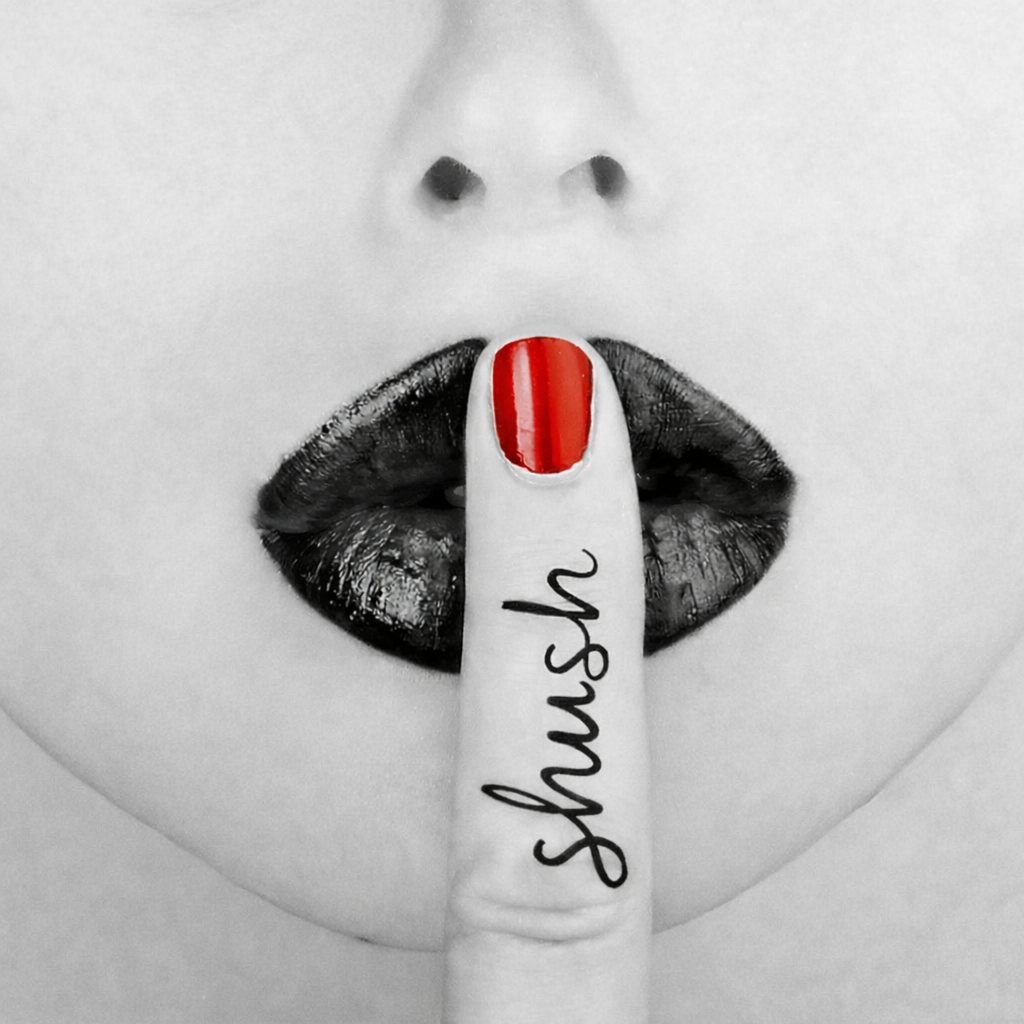
Quiet Time
we added a Quiet Service option as an add-on to any appointment. It is perfect for anyone who feels anxious about small talk, needs mental space, or just wants to fully relax.
One of the things I love most about my career is getting to talk to people all day. I have always been talkative. I was literally voted “most talkative” in eighth grade and regularly moved seats for chatting too much.
When I worked from home for years, I did not realize how much I missed daily social connection until I opened the shop and got to sit across from clients again. I love getting to know people, holding hands for hours every couple of weeks, sharing life stories, laughing, and sometimes becoming real friends.
But you know what else I love? A quiet service.
A couple years ago we added a Quiet Service option as an add-on to any appointment. It is perfect for anyone who feels anxious about small talk, needs mental space, or just wants to fully relax. When I get a facial or massage, I personally do not want to talk. I want to check out and let the healing part happen.
Sometimes we just need quiet. Sometimes we want to sit with our own thoughts. Sometimes small talk feels exhausting when anxiety is already high.
At Lark & Sparrow, we believe comfort looks different for everyone. Whether you want to chat the whole time or enjoy peaceful silence, we are here to meet you exactly where you are.
You are always welcome here, however you show up.
Also, just so you know, we all also love zoning out during a quiet service manicure.
There is something so grounding about letting everything else fade away and just focusing on the tiny details. The cuticle work. The filing. The shaping. The transformation.
It honestly reminds me of those oddly satisfying videos where someone deep cleans a rug or slices into kinetic sand. Except I get to do it in real life. I get to watch the cleanup happen in real time, see the nails take shape, and then layer on beautiful color at the end.
There is something deeply calming about repetitive, intentional work. I swear I could do manicures all day every day if it were not for my back and the million other things running a business requires.
Quiet services are not just relaxing for clients. They are restorative for artists too. Sometimes silence lets the craft speak for itself.
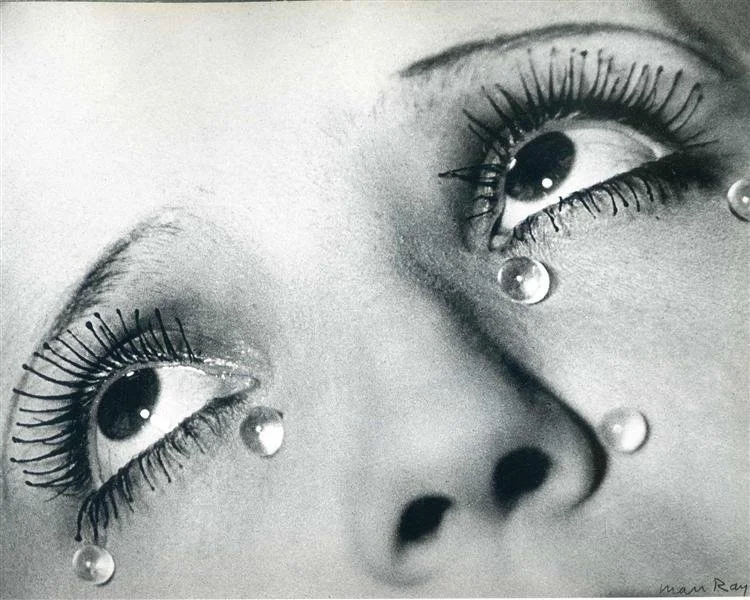
Nervous Wreck
Gentle pressure, rhythmic movement, and warmth activate the parasympathetic nervous system. That is the part of the body responsible for rest, digestion, and repair. When it finally switches on, emotions that have been waiting quietly often surface.
Tears during a service are not a sign that something has gone wrong. They are often a sign that something has gone right.
Something unexpected has been happening in our treatment chairs lately. A client recently cried through both her manicure and pedicure. Steady, quiet, uncontrollable tears. A release she did not know she was holding in. A few days later, during a pedicure massage, another woman began to cry. That second woman was me.
I have been moving through a season of deep stress. The kind that lives in your body even when your mind is trying to stay functional.
When the massage began, nothing dramatic happened at first. Just warm hands, steady pressure, slow intentional movements. But somewhere between the rhythm of the touch and the quiet permission to rest, my nervous system let go. The tears came without warning. They were not about a single thought or moment. They were about release.
Touch is one of the most basic human needs, and also one of the most overlooked.
For many adults, especially women, there is very little safe, nurturing touch in daily life. For some, the only time another person touches them with care and intention is during a manicure, a pedicure, or a massage. The body learns to hold itself together without support. Over time, that holding becomes exhausting.
Safe, intentional touch can interrupt that pattern. Gentle pressure, rhythmic movement, and warmth activate the parasympathetic nervous system. That is the part of the body responsible for rest, digestion, and repair. When it finally switches on, emotions that have been waiting quietly often surface.
Tears during a service are not a sign that something has gone wrong. They are often a sign that something has gone right.
If you have ever cried during a massage, a facial, or a quiet moment of care, you are not weak. You are human. Your body recognized safety and took the opportunity to release.
And sometimes, that is exactly what healing looks like.
Lately, I do not know about you, but my algorithm is full of information about the nervous system.
Everywhere I look, there are tools, explanations, diagrams, and advice about being dysregulated. About trauma stored in the body. About stress responses that never quite shut off. About how our bodies keep the score long after our minds try to move on.
And the thing is, I recognize myself in all of it.
I am pretty sure this is what has caused my shoulder and back pain to flare up again. My jaw is tight and popping. My shoulder feels like it is on fire after a couple of hours of working. My skin feels the way it does when I have the flu or a sunburn. Even the weight of my clothes can hurt. Going over a bump on the car ride home feels excruciating, like my whole body is bracing for impact.
These are not small signals. They are my nervous system waving its arms, asking for attention.
So what have I done about it for myself? Honestly, not much. I keep working. I keep pushing. I keep telling myself I will deal with it later, when things calm down, when there is more time.
New Year. New Me.
One of my intentions this year is to begin practicing resonance breathing daily to gently support my nervous system and reduce the constant flight or fight state my body seems to be living in.
Resonance breathing simply means slowing the breath down, usually to somewhere between three and seven breaths per minute. One approachable method is often called box breathing. It is called box breathing because each part of the breath is the same length.
Here is how it works:
Breathe in for 4 seconds
Hold the breath for 4 seconds
Breathe out for 4 seconds
Wait for 4 seconds before starting again
The steady rhythm and the act of counting help calm the mind while stimulating the parasympathetic nervous system, the part of the body responsible for rest and repair.
I am giving myself permission to start slowly and build up over time. Even a few minutes is better than none.
Oh yeah. And I need to drink more water.
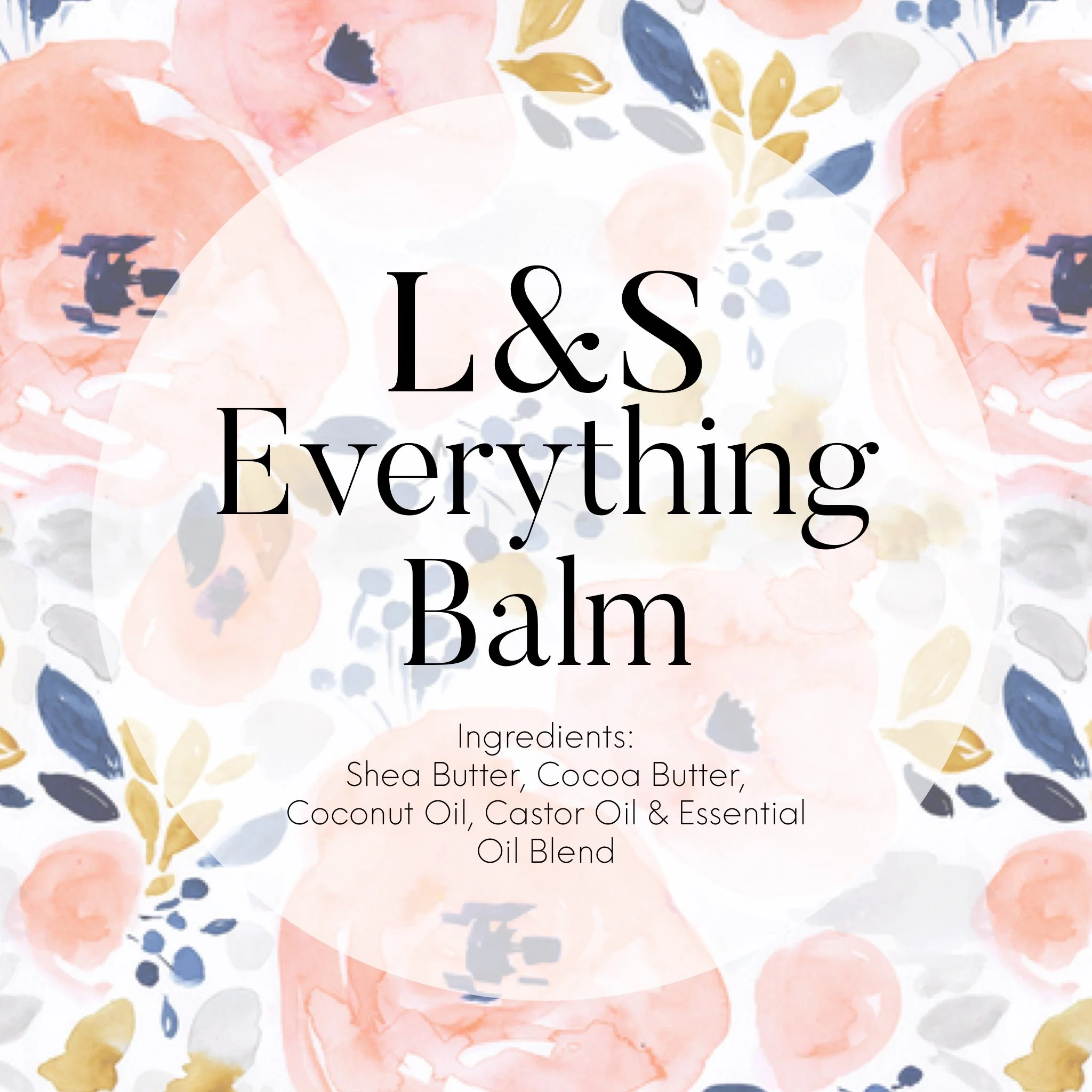
Let’s Talk About Winter Skin on Our Hands and Feet
A quick mist of our Moisturizing Hydration Spray is incredibly refreshing. Locked in with the Everything Balm, it becomes a small nightly ritual. The subtle scent of cedarwood and palo santo turns the moment into calm before sleep.
Winter skin needs a little extra care, especially on our hands and feet. Gentle hydration, consistent moisture, and a bit of ritual go a long way.
It’s getting really cold out there, and I don’t know about you, but I am cranking the heat & my skin is parched.
I’ve lived in drafty houses my whole life. This is actually the first new-build home I’ve lived in for as long as I can remember. And while it’s lovely in many ways, the heat is dry. The kind of dry that has you waking up in the middle of the night feeling completely dehydrated.
To fight this, I keep a fine mist bottle of our Hydration Mist on my bedside table, along with a tin of our Everything Balm. A few spritzes followed by the balm locks that moisture in and makes an immediate difference.
As a woman going through the hormonal changes in Menopause, I chose the hydration mist for a number of reasons. I’m waking up hot, and a quick mist of our Moisturizing Hydration Spray is incredibly refreshing.
From there, I like to lock it in with a pea-sized amount of the Everything Balm, rubbing it into my hands, face, and lips. The subtle scent of cedarwood and palo santo is deeply relaxing and turns the routine into a small moment of calm before sleep.
I love that our Everything Balm truly lives up to its name. It moisturizes and protects hardworking hands while still being gentle enough for the face and lips. Every ingredient is there for a reason, chosen for how thoughtfully it supports the skin. Shea and cocoa butter soften the skin while coconut and castor oils protect the barrier.
Everything Balm
ESSENTIAL INGREDIENTS + BENEFITS
Shea Butter. Softens and restores the skin barrier
Cocoa Butter. Provides rich moisture and smoothness
Coconut Oil. Helps prevent moisture loss
Castor Oil. Supports repair and skin conditioning
Essential Oil Blend. Light calming aroma of Cedarwood and Palo Santos.
For even more support, my heels get special treatment
with our Cracked Heel / Magnesium Calming Cream.
Cracked Heel Cream
ESSENTIAL INGREDIENTS + BENEFITS
Shea Butter. Helps lock in moisture, improve softness.
Coconut Oil. Supports the skin barrier, and maintains long-lasting hydration.
Beeswax. Forms a durable, breathable protective barrier that seals in moisture and shields skin from further dryness.
Magnesium. May support comfort and relaxation, making this cream especially ideal for evening or overnight use.
Essential Oil Blend (Peppermint and Ginger). A calming & refreshing blend.
For best results, massage in a generous layer, slip on socks, and let it work overnight. Ultimate softness awaits.
Winter Whites & Tea Stained Nails
If you’ve ever noticed a yellow or brown cast creeping into a once-fresh light gel, you’re not imagining it. Here’s what’s happening and how to minimize it.
The end of December might feel like a strange time to be talking about tea-stained nails. But as we’ve been talking more about nail polish permeability and how soak-off systems interact with acetone, it felt like the right moment to explain staining as well.
Sometimes staining is obvious. Turmeric, or self-tanner leaves a clear mark. Other times it’s subtle. The color slowly shifts. A shade that once felt crisp starts to look dingier day by day, without a single moment you can point to as the cause.
As someone who wears dark colors regularly, I see this on my own nails pretty quickly. My nails get what I jokingly call “the greys,” a muted, dull cast that comes from pigment transfer over time.
And sometimes it happens all at once. A bright white suddenly turns tea-brown almost overnight. In my experience, this has happened most often after exposure to certain hand sanitizers or sunscreens.
If you’ve ever noticed a yellow or brown cast creeping into a once-fresh light gel, you’re not imagining it. Here’s what’s happening and how to minimize it.
Why light gels discolor
Discoloration in light gels is almost always staining, not product failure. Light gels behave like light fabric. They don’t cause stains, but they reveal them.
Soak-off gel systems are intentionally permeable so they can be removed safely. That same permeability allows pigments from daily life to migrate slowly into the surface layers of the coating.
Darker shades mask this. Sheer and milky colors do not.
As the top coat wears down, staining becomes more noticeable.
How to reduce staining
Oil consistently. The top coat is your main barrier. When it stays intact, staining happens more slowly. Regular cuticle oil use helps maintain flexibility and reduces surface wear.
Be mindful with known stainers. Coffee, tea, spices, self-tanner, and hair dye are frequent culprits. Also hand sanitizers and sunscreens. Gloves help, especially during cleaning or hair services.
Top coat choices that help
No soft gel top coat is stain-proof, but the more durable polishes will help. Currently the most durable stain resistant polishes in our chosen lines are:
#1 Kokoist Ultra Glossy Non-Wipe Top Coat
Or for Shellac Purists CND Shellac Duraforce
Why Cuticle Oil Matters And Why It Works With Any Soak-Off Gel System
Oil does not nourish the nail plate in the way food nourishes the body. Instead, it supports elasticity and reduces brittleness. Think of cuticle oil as stress insurance, not nail food.
At Lark & Sparrow, we prioritize nail health, flexibility, and long-term wear over brand claims or trends. Cuticle oil is one of the most important tools we use to protect natural nails, regardless of whether we are working with CND Shellac, Vettsy, or any other soak-off gel system. Here’s why it matters.
All soak-off gels are permeable by design
Soak-off gel polish works because acetone can penetrate the cured coating and break it down during removal.
That means:
Shellac is permeable
Vettsy is permeable
All soak-off gel systems share this characteristic
When Shellac is described as “breathable,” it is referring to its flexible polymer structure, not a unique ability to feed or nourish the nail through the coating.
Permeability is not exclusive to one brand. It is a fundamental feature of any product designed to soak off safely.
Easier soak-off usually means more flexible chemistry
Gel systems that soak off more easily tend to be less rigid. They have a looser polymer network, which makes them more permeable to both acetone and oils.
That flexibility matters. More flexible coatings are better able to move with the natural nail instead of resisting it. When paired with proper prep and regular oil use, this flexibility helps reduce cracking, peeling, and stress at the free edge.
This applies equally to Shellac, Vettsy, and other soak-off gels we use in the salon.
What cuticle oil actually does
There is a lot of misinformation about cuticle oil. It is often described as “feeding” the nail, which is not quite accurate.
Here’s what cuticle oil actually does.
Keeps the proximal nail fold and surrounding skin supple
Absorbs under the free edge to help maintain nail flexibility
Helps the gel coating flex instead of crack under stress
Oil does not nourish the nail plate in the way food nourishes the body. Instead, it supports elasticity and reduces brittleness. Think of cuticle oil as stress insurance, not nail food.
Why flexibility matters more than hardness
Healthy nails are not meant to be rigid. They are meant to bend slightly and recover. When nails become dry and brittle, they may feel hard, but that hardness often leads to sudden breaks instead of gradual wear. Oil helps restore balance by supporting flexibility in both the natural nail and the gel coating sitting on top of it. This is especially important during colder months, when nails lose moisture more quickly.
The key takeaway
Cuticle oil is essential for nail health because it protects flexibility and reduces stress on the nail, not because it feeds the nail through the polish. This benefit applies to all soak-off gel systems we use.
Consistent oil use supports better wear, fewer breaks, and healthier nails over time, no matter the brand on top.
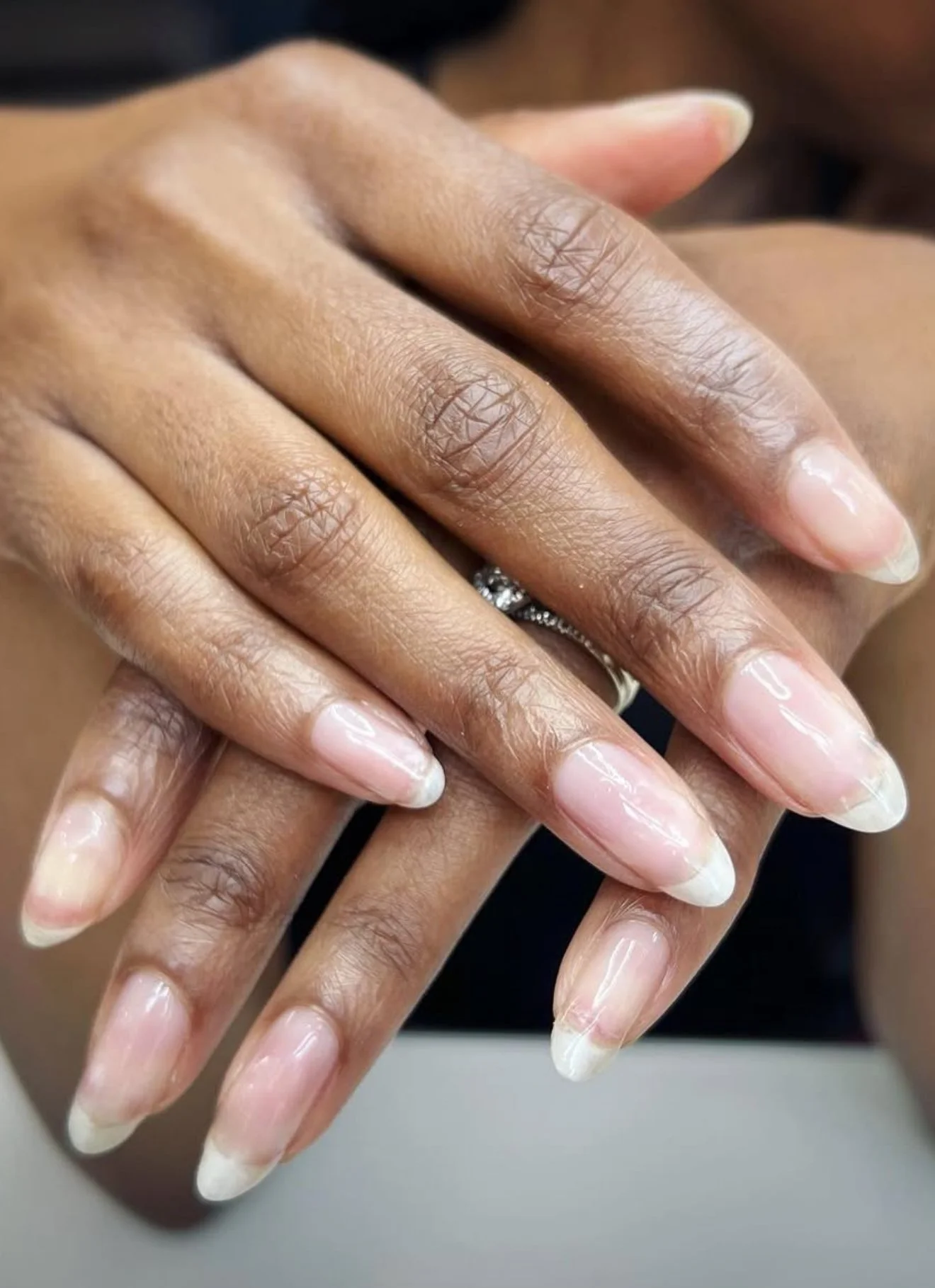
Brittle Nails, “Strong” Nails, and What Healthy Really Means
Healthy nails, like healthy bodies and healthy people, need a little give. They need moisture. They need flexibility. They need the ability to respond rather than resist. That’s not weakness. That’s resilience.
DRINK MORE WATER AND OIL YOUR CUTICLES
Winter is often when people start noticing changes in their nails.
They split more easily. They feel harder. They break suddenly instead of wearing down slowly. Many people describe this as their nails being “strong but fragile,” which sounds contradictory until you look a little closer.
Recently, I was doing my mother’s manicure for the first time in years. She’s in the later stages of congestive heart failure. She weighs under one hundred pounds, on oxygen 24/7, and yet, while I was shaping her nails, she proudly pointed out how strong her nails were. And honestly, on the surface, she wasn’t wrong. They were hard. Very hard.
But they were also brittle.
What healthy nails actually look like
A healthy nail is:
Smooth
Even in thickness
Slightly flexible / Able to bend under pressure without cracking or snapping
Why nails become brittle
Brittleness is often caused by dehydration, not weakness.
Normal Aging: As we age, our bodies produce less and less of the natural hydrating oils that protect our skin and nails from dehydration. If you have a tendency toward dry skin to begin with, it means you will probably have dry nails sooner rather than later.
Overexposure to chemicals (including water- H2O): excessive hand washing, cleaning.. without protective gloves can contribute to brittleness.
Nail hardeners: Ironically, these products often make things worse. For the first week after you start using them, you might see some improvement, but in time the alcohols and other solvents in them tend to remove oils from the nails and make the dryness worse.
Reframing the goal
Healthy nails are not about being unbreakable. They’re about being resilient. They should be able to live in the real world. Wash dishes. Experience cold weather. Bump into things. Grow out without shattering at the free edge. That’s what we work toward.
Where this gets deep
When something cannot bend, it does not adapt. It holds until it breaks. What looks strong on the surface is often fragile underneath. Healthy nails, like healthy bodies and healthy people, need a little give. They need moisture. They need flexibility. They need the ability to respond rather than resist. That’s not weakness. That’s resilience.
DRINK MORE WATER AND OIL YOUR CUTICLES

Micro Dust, Soakable Systems, and Why It Matters to Us
Designing a salon where I could work comfortably meant designing a space where that sensory overload was minimized, not constantly managed. Clean air isn’t just about what we add to a space. It’s also about what we actively choose not to put into it.
When people think about air quality in a nail salon, they usually think about strong smells. What they don’t think about is dust. Not the kind you see on a surface, but micro dust. The kind that can linger in the air after a service is finished.
What is micro dust?
Micro dust is made up of extremely fine particles created during nail prep and product removal. When gel products are filed, tiny polymer fragments are released into the air. These particles are small enough to remain airborne for periods of time, which is why air quality and dust management matter in salon environments. Unlike heavier debris that settles quickly, fine dust can travel beyond the immediate workstation and become part of the shared air. Over months and years inside a salon, repeated exposure adds up.
This isn’t about fear. It’s about awareness.
The role of soakable systems
Not all nail products behave the same way during removal.
Hard Gel, non-soakable systems typically require dry filing to break through the product. Acetone has little effect, so removal relies on mechanical abrasion, which can create more lightweight airborne dust.
Soakable systems, on the other hand, are designed to soften and release. The soaking process actually changes the dust itself.
When filing does happen during our services, Acetone begins softening the cured gel before filing starts. This changes the physical behavior of the material being removed.
Softer gel:
Breaks into heavier, less dry particles
Is less likely to linger in the breathing zone compared to dry-filed dust
This does not mean there is zero dust. It does mean the dust behaves differently and settles more quickly instead of staying suspended in the air. So if you see filing during your service, there’s no need to be alarmed. We are not dry-filing fully cured product into the space.
The difference you don’t see
You won’t always notice micro dust visually. What you will notice is how the space feels. Lighter. Easier to breathe in. Less harsh on the body over time. That’s intentional.
Clean air isn’t just about what we add to a space. It’s also about what we actively choose not to put into it.
A note of respect for hard gel technicians
It’s important to say this clearly: hard gel systems can be used safely. Independent technicians who work with proper source-capture ventilation, high-quality dust collectors, and appropriate masks can absolutely perform services responsibly and safely.
This post is not a critique of those practices or the professionals who use them well.
The part of this story that’s personal
There’s also a very human reason behind this choice. I have sensory sensitivities. Fine dust in the air, on surfaces, and settling on skin creates a level of nervous system overload that’s hard to ignore. It’s not logical. It’s visceral.
The feeling of particles floating, landing everywhere, and lingering in the space makes my skin crawl. Once you notice it, it’s impossible to un-notice. Designing a salon where I could work comfortably meant designing a space where that sensory overload was minimized, not constantly managed.
Different paths, same goal
There is more than one way to practice responsibly in this industry. So many thoughtful nail systems are available today, each designed for different working styles, spaces, and needs. There’s no single right approach, just the one that fits best. This is simply the path that works best for us.
Is this a Plant Store?
Our plants are not here just to look nice or soften the space. They are part of how we think about the environment we work in every day.I’m
Clean Air Is Not a Luxury. It’s the Foundation.
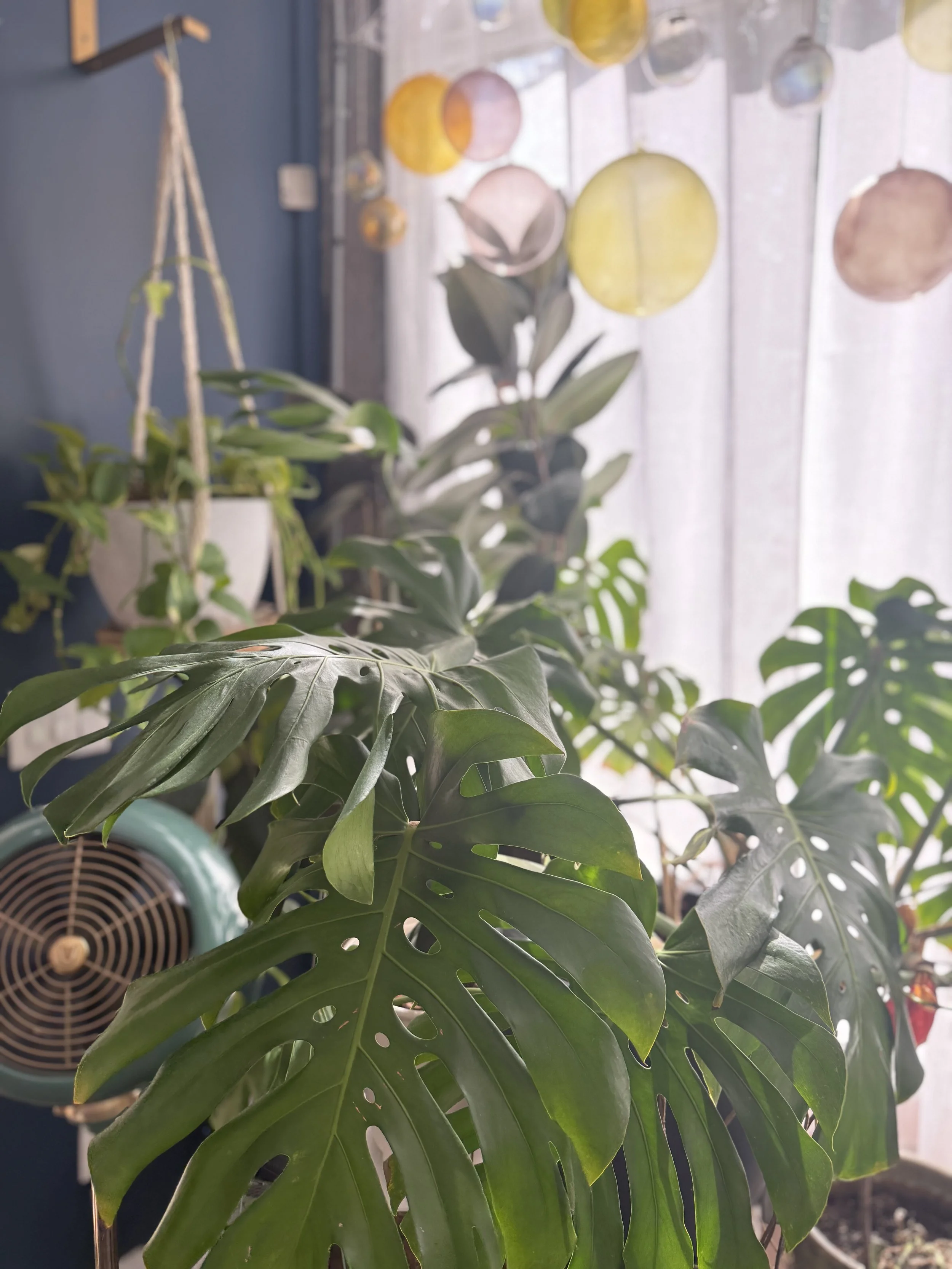
One of the first things people ask when they walk into our salon is if we sell plants. The shelves, the windows, the hanging greens. Sometimes the answer is yes, we do have plants for sale. But that has never been their main purpose here.
The plants are working.
More than decoration
Our plants are not here just to look nice or soften the space. They are part of how we think about the environment we work in every day.
Plants help absorb airborne toxins, improve air quality, and support a healthier indoor atmosphere. They also give us something important to pay attention to. If plants can thrive in a space, it’s usually a good sign that people can too.
Clean air matters here.
Why clean air matters in a nail salon
Nail services traditionally involve airborne particles, chemical vapors, and fine dust created during prep and removal. Over time, those particles don’t simply disappear. They stay in the air and are inhaled by technicians and guests alike.
When you spend years inside a salon, air quality stops being theoretical. You notice headaches, fatigue, irritated lungs, and that heavy feeling that settles in at the end of the day.
We decided early on that breathing well while we work was non-negotiable.
What we do differently
Clean air at Lark & Sparrow is not one solution. It’s a layered approach.
•Plants that actually work
Our plants support air quality and remind us that the space itself is a living system, not just a backdrop.
•Multiple air purification systems
We use air purifiers throughout the salon to continuously filter dust, odors, and fine particulates created during services.
•Specialized HVAC systems
Our HVAC system is designed to circulate and refresh air efficiently, rather than allowing it to stagnate.
Why we only use soakable products
One of the biggest contributors to poor air quality in salons is micro dust. Aggressive filing of hard, non-soakable products creates fine plastic and polymer particles that linger in the air. These particles are easily inhaled and difficult to fully remove once airborne.
We intentionally work with soakable systems to reduce the amount of micro plastic dust created during prep and removal. This protects our technicians, our guests, and the long-term health of the space.
The quiet difference you can feel
Most people don’t walk in and think, “The air is clean.”
What they notice instead is how they feel.
Clear-headed. Calm. Comfortable staying longer. Technicians don’t leave the day feeling foggy or depleted. Guests don’t leave with lingering chemical smells on their skin or clothes.
That’s the point.
Clean air should quietly support everything else.
Welcome
Welcome to the Lark & Sparrow Journal If you’ve been with Lark & Sparrow for a while, you might be surprised to see a blog starting now.
We’ve been here for over a decade, hands deep in services, products, conversations, and care. For a long time, our work lived mostly inside the studio. Shared face-to-face. Felt more than explained.
This space is simply a place to slow things down and put words to what we already do.
Welcome to the Lark & Sparrow Journal
If you’ve been with Lark & Sparrow for a while, you might be surprised to see a blog starting now.
We’ve been here for over a decade, hands deep in services, products, conversations, and care. For a long time, our work lived mostly inside the studio. Shared face-to-face. Felt more than explained.
This space is simply a place to slow things down and put words to what we already do.
Why start a blog now?
Over the years, we’ve learned that many of our choices, from how we build services to how we formulate oils, aren’t obvious from the outside. Clients ask thoughtful questions about ingredients, processes, recovery, and why our services feel different. This journal is a way to answer those questions in one place.
What you’ll find here
This journal will be a mix of education, transparency, and behind-the-scenes thinking. You’ll find posts about:
How we design services and add-ons
Ingredients we use and why we trust them
In-house formulations and small-batch processes
Nail health, skin care, and recovery
Thoughtful upgrades that change how a service feels
Nothing rushed. Nothing clickbait. Just information we already share in person, written down so you can revisit it anytime.
Who this is for This space is for clients who like to understand what’s happening during their service. For people who enjoy knowing where things come from, how they work, and why certain choices matter.
You don’t need to read every post to enjoy your appointment. But if you’re curious, this journal is here.
A place to begin
Every business has a moment when it feels ready to speak in its own voice. Ours just happens to be ten years in.
Thanks for being here. We’re glad you found us.